Turning Cookware Waste Into Opportunity Through Recycling
Turning Cookware Waste Into Opportunity Through Recycling
Cookware waste represents an often-overlooked source of environmental pollution, yet it also provides a unique chance to embrace sustainability and innovation. In this comprehensive article, we'll explore how recycling old cookware can transform potential waste into valuable resources while addressing the environmental, economic, and social benefits of responsible disposal. Let's discover how turning cookware waste into opportunity is not just possible, but necessary for a greener future.

Why Is Cookware Waste a Problem?
Millions of households worldwide discard old pots, pans, and utensils every year. As a result, landfills are piling up with discarded cookware made of mixed materials like stainless steel, aluminum, nonstick coatings, and plastics. Unlike food or garden waste, cookware waste is not biodegradable and can take centuries to break down, potentially leaching hazardous chemicals into the environment.
Types of Cookware Waste
- Metal cookware: Stainless steel, cast iron, aluminum, copper — highly durable but eventually become unusable due to rust, warping, or wear.
- Nonstick pans: Typically coated with Teflon (PTFE) or similar chemicals, which complicate recycling.
- Ceramic and glass cookware: Fragile and prone to breaking, hard to process in standard recycling streams.
- Plastic utensils: Prone to melting, staining, and breakage; made from polymers that last forever in landfills.
Each category of worn-out or broken cookware presents unique challenges, but with proper recycling protocols, they can all be handled effectively.
Environmental Impact of Discarded Cookware
Landfill space is finite, and cookware waste contributes to the strain on waste management systems. Metal cookware reacts with other waste and can oxidize, while nonstick coatings may release chemicals. For example, PFOA and PFOS, previously used in some nonstick pans, are persistent environmental toxins linked to health risks.
The environmental cost of cookware waste includes:
- Resource depletion: Raw materials like bauxite (for aluminum) and iron ore (for steel) are mined in large quantities.
- Carbon emissions: Manufacturing new cookware is energy-intensive and generates greenhouse gases.
- Soil and water pollution: Chemicals from coatings and metal corrosion leach into the soil and groundwater.
It's clear that responsible cookware disposal and recycling is essential for a sustainable planet.
How Cookware Recycling Works
Separating Materials
Cookware is often made of mixed materials, such as metal bodies with plastic handles, glass lids, and nonstick surfaces. Before recycling, it's crucial to separate components so each material can be processed appropriately.
Processing Metal Cookware
- Stainless steel and aluminum: These metals are highly recyclable. They are usually melted down and recast into new products, from car parts to new cookware.
- Copper cookware: Copper has high scrap value and is often collected by specialist recyclers.
- Cast iron: Recycled into new construction materials or re-seasoned for further use.
Handling Coated and Composite Cookware
Nonstick pans can pose recycling challenges due to their chemical coatings. Some recycling centers have processes to safely remove nonstick layers before melting the metal base. Glass lids and ceramic cookware are less commonly recycled in curbside programs but can be taken to special facilities.
The Benefits of Recycling Old Cookware
- Saves natural resources by reusing metals and reducing mining.
- Cuts carbon emissions by avoiding new manufacturing.
- Reduces landfill waste and associated chemical pollution.
- Creates economic opportunities in the recycling and remanufacturing industries.
The Circular Economy in Action
Recycling discarded cookware is part of the broader circular economy, where products and materials are kept in use as long as possible. Instead of a linear journey from extraction to disposal, cookware can cycle back into production.
Upcycling: Giving Old Cookware New Life
Beyond traditional recycling, upcycling creatively transforms old or broken cookware into valuable new products, reducing the overall demand for raw materials.
Creative Upcycling Ideas
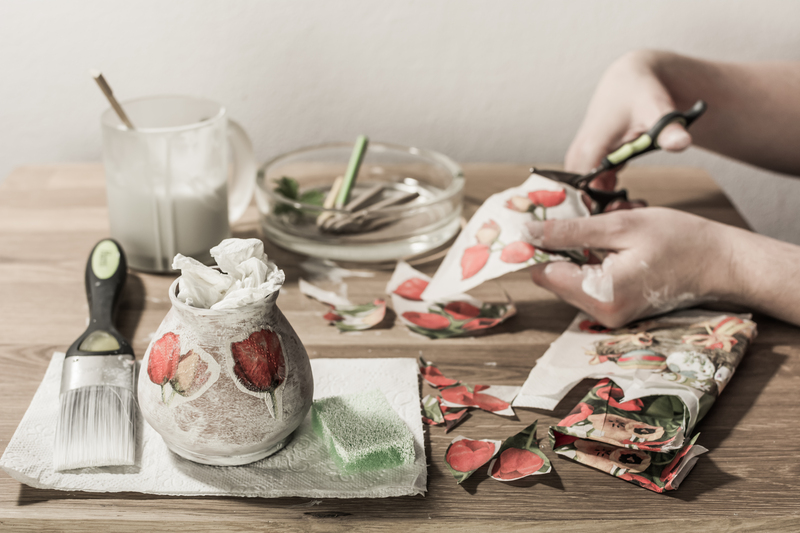
- Garden planters: Old pots and pans make quirky, functional plant holders.
- Decorative pieces: Artistic welding creates sculptures or wall art from old cookware.
- Furniture and fittings: Cast iron skillets have been turned into clocks, lamp bases, or even door handles.
- DIY organizers: Repurposed baking tins or muffin trays serve as desktop organizers or jewelry holders.
Upcycling cookware not only diverts it from landfills but also inspires creativity and community engagement.
Recycling Cookware: A Step-by-Step Guide for Households
1. Assess Condition and Reuse If Possible
Before you discard cookware, consider if it can be refurbished, donated, or passed on to someone who needs it. If it's still usable, donation is the greenest option!
2. Prepare Items for Recycling
- Remove plastic, wooden, or rubber parts, if possible.
- Clean items to remove food residues.
- Disassemble lids, handles, and attachments.
3. Find Local Recycling Facilities
- Contact your municipal recycling program to check if they accept metal cookware.
- Look for drop-off locations specializing in scrap metal recycling.
- For nonstick, coated, or composite cookware, research special collection events or hazardous waste days.
4. Consider E-waste Recycling for High-Tech Cookware
Some modern cookware, like induction pans with electronic components, may qualify as electronic waste and require special disposal methods.
Transforming Waste Cookware Into Community Assets
Communities and businesses are discovering new ways to turn old cookware into opportunities. Here are three innovative approaches:
1. Cookware Take-Back Programs
- Retailers and manufacturers like Tefal and GreenPan offer take-back schemes, encouraging customers to return old kitchenware for recycling.
- These programs often provide discounts on new purchases, incentivizing participation.
2. Art and Education Initiatives
- Schools and art collectives use discarded cookware for creative projects and environmental education.
- Workshops teach upcycling skills, promoting responsible consumption and waste reduction.
3. Business Opportunities in Cookware Recycling
- Startups and social enterprises are emerging around cookware collection and repurposing.
- Some businesses focus solely on recycling stainless steel cookware, while others reforge or upcycle materials into designer pieces.
The Global Picture: Cookware Waste as an Opportunity
Globally, recycling cookware taps into two immense markets: waste management and sustainable consumer goods. As demand for eco-friendly products grows, so does the potential for new jobs and business models based on circular design and waste repurposing.
Some key trends in cookware waste recycling worldwide include:
- Zero-waste movements: Cities and communities striving for zero landfill waste invest heavily in recycling infrastructure.
- Producer responsibility: Legislation is holding manufacturers accountable, requiring them to handle end-of-life cookware responsibly.
- Green certifications: Recycled-content cookware is gaining popularity among eco-conscious consumers.
Challenges and Solutions in Cookware Recycling
While the potential is promising, not all cookware is easily recyclable. Here are some key hurdles and ongoing innovations:
- Nonstick and mixed-material items: Recycling these requires advanced technology to separate layers, but new techniques (like pyrolysis) are emerging.
- Lack of public awareness: Many people simply throw old cookware in the trash. Education and clear labeling can improve recycling rates.
- Inconsistent recycling regulations: Services differ greatly from one city or country to another.
How Consumers Can Improve Cookware Recycling Rates
Consumers play a vital role in closing the loop on cookware waste. Here's how you can help:
- Buy cookware that's built to last — higher durability means less frequent replacement and less waste.
- Choose recyclable materials like stainless steel, cast iron, or glass.
- Support brands offering take-back and recycling programs.
- Learn how to recycle cookware in your local area.
- Share, donate, or upcycle before discarding.
- Raise awareness by discussing turning cookware waste into opportunity with friends and community groups.
Conclusion: From Waste to Worth Through Cookware Recycling
Turning cookware waste into opportunity through recycling is more than a catchphrase; it's a vital shift in how we think about our everyday items. By responsibly recycling, upcycling, and supporting sustainable business models, we reduce environmental harm, conserve resources, and create value from what was once destined for the dump.
Every saucepan, baking sheet, or skillet has a potential second life — whether as new metal, functional art, or community resource. As consumers, businesses, and policymakers align for a circular future, cookware recycling stands out as a simple yet powerful step towards sustainability.
Let's seize the opportunity: recycle your cookware and make waste a thing of the past.
```