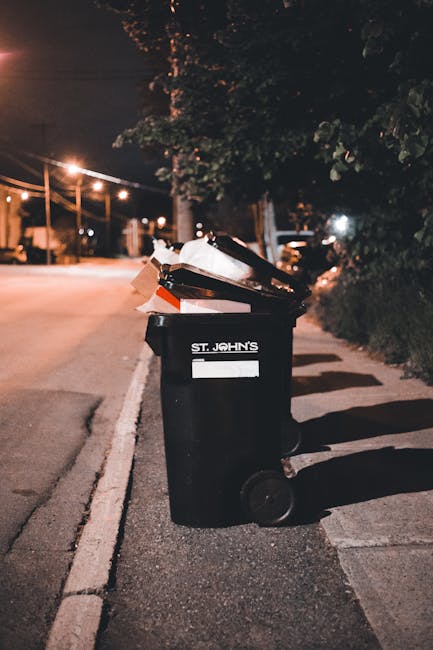
Queenstown Road waste collection guide for SW11 flats
If you live in a flat near Queenstown Road, you already know waste can become a surprisingly awkward part of everyday life. One missed bin day, one bulky item left by the door, and suddenly the stairwell smells a bit off, the hallway looks cluttered, and neighbours start asking questions. This Queenstown Road waste collection guide for SW11 flats is here to make the whole thing feel simpler, calmer, and far less messy.
Whether you are dealing with regular household rubbish, a moving-out clear out, or the aftermath of a DIY weekend that got slightly out of hand, the right collection approach matters. In a flat, especially in a busy London road like Queenstown Road, access, timing, building rules, and recycling all shape what can happen and when. Let's make sense of it properly.
Table of Contents
- Why Queenstown Road waste collection guide for SW11 flats matters
- How Queenstown Road waste collection guide for SW11 flats works
- Key benefits and practical advantages
- Who this is for and when it makes sense
- Step-by-step guidance
- Expert tips for better results
- Common mistakes to avoid
- Tools, resources and recommendations
- Law, compliance, standards, or best practice
- Options, methods, or comparison table
- Case study or real-world example
- Practical checklist
- Conclusion
- Frequently asked questions
Why Queenstown Road waste collection guide for SW11 flats Matters
Flat living in SW11 brings a few obvious benefits: convenience, location, and less maintenance than a house. But waste disposal? That can be the tricky bit. In a house, you can usually wheel bins out and forget about them. In a flat, you may be dealing with shared bin stores, narrow entrances, timed access windows, lift restrictions, concierge arrangements, and neighbours who will absolutely notice a skipped rubbish bag. Human nature, really.
Queenstown Road runs through a busy part of Battersea where flats often sit in buildings with communal waste systems or limited street space. That creates a few practical pressures:
- Space is tight - bulky items can block corridors or storage rooms.
- Collections need coordination - missed timings create overflow fast.
- Recycling can be inconsistent - shared bins are only useful if everyone uses them properly.
- Access matters - some buildings make removing waste more complicated than it looks from the outside.
A good waste collection plan reduces nuisance, keeps communal areas usable, and helps you avoid the kind of last-minute panic that comes with move-outs, refurbishments, or post-Christmas clear-ups. It also supports a more responsible approach to recycling and disposal, which is a nice bonus even when you are mainly trying not to trip over a bin bag on the way to work.
Practical takeaway: for SW11 flats, the best waste solution is usually the one that fits your building rules, your access constraints, and the type of rubbish you actually have, not just the one that sounds easiest on paper.
How Queenstown Road waste collection guide for SW11 flats Works
Waste collection for flats generally follows one of a few patterns. Some buildings have managed communal bins. Others rely on residents taking rubbish to a designated point. In some cases, particularly when there is bulky waste, renovation debris, or a one-off clearance, you need a separate collection service that can remove items directly from the property.
The process usually looks something like this:
- Sort the waste by type: general waste, recycling, bulky items, electricals, or special waste.
- Check the building rules so you know where waste can be left and when it can be moved.
- Assess access - stairs, lifts, corridor width, parking, loading space, and entry permissions all matter.
- Choose the right method for the volume and type of rubbish.
- Book a collection or organise disposal at a suitable time.
- Keep the route clear so waste can be removed safely and without upsetting neighbours or management.
For many residents, the issue is not just getting rid of rubbish. It is getting rid of it without causing disruption. That is where careful planning makes a real difference. A small flat clear-out, for example, can often be handled quickly if items are grouped by room and ready to move. A bigger job, such as furniture disposal or post-tenancy clearance, benefits from a more structured approach.
If you are looking for broader support beyond a simple collection, it can help to understand related services such as flat clearance and waste removal, especially when the problem is more than one bag or one chair.
Key Benefits and Practical Advantages
There is a reason people tend to sort out waste only when it becomes impossible to ignore. But a better system pays off quickly.
1. Cleaner communal spaces
Overflowing bags, broken boxes, and abandoned furniture make shared areas feel neglected. A tidy collection routine keeps corridors, bin stores, and entrances easier to use. That sounds basic, because it is basic. Still, it makes a huge difference to the day-to-day feel of a building.
2. Less stress during moves and refurbishments
If you are moving out of a flat on Queenstown Road or clearing space before a renovation, waste builds up fast. Having a plan stops the work from stalling halfway through the day because you cannot get past a wardrobe frame or stack of packaging.
3. Better recycling outcomes
When waste is sorted properly, more of it can go into the right stream. That matters for recycling efficiency and for reducing avoidable landfill use. The practical benefit is simpler too: the right items are easier to remove if they have already been separated.
4. Safer access and fewer hazards
Loose waste in stairwells, wet bags, sharp edges from broken furniture, and overloaded communal bins all create avoidable risk. In flats, one small oversight can affect several households at once. Not ideal.
5. More predictable costs and timing
When you know exactly what needs removing, you are much better placed to choose the right service and avoid delays. That can be especially helpful if you are comparing options or trying to fit the job around work, school runs, or a lease deadline.
For larger or specialised items, the right matched service matters. A mattress on its own, for example, is not the same as a full flat clear-out. If sofas, beds, or worn-out seating are involved, it may be worth looking at mattress and sofa disposal or furniture disposal rather than trying to make a general rubbish solution do everything.
Who This Is For and When It Makes Sense
This guide is useful for a fairly wide group of people, but the most common situations are easy to spot.
- Tenants who are moving out and need to leave the flat empty and tidy.
- Landlords and agents dealing with leftover items after a tenancy ends.
- Homeowners in apartment blocks managing periodic clear-outs or building work.
- Residents doing a declutter after a long stretch of "I'll deal with that later".
- Anyone with bulky or awkward items that do not fit standard bin collections.
It also makes sense if you are in a flat with shared waste facilities and the current system is not coping. Maybe the bin store is always full by midweek. Maybe people keep leaving flattened boxes beside the bin rather than in it. Maybe recycling is mixed with general waste, which is frustrating for everyone involved. You know the sort of thing.
In those situations, a more structured collection or clearance approach is often the sensible next step. For more complex property clear-outs, related pages such as home clearance and house clearance can be useful reference points, even if you live in a flat rather than a house.
Step-by-Step Guidance
If you want waste collection to go smoothly in a SW11 flat, do not start with the bin bag itself. Start with the shape of the job. That is where the time savings come from.
Step 1: Identify the waste type
Make a quick list: general rubbish, packaging, cardboard, old furniture, broken appliances, garden cuttings, renovation debris, or confidential paper. This sounds obvious, but people often mix everything together and then wonder why collection becomes awkward.
Step 2: Separate special items
Some materials need a bit more care. Fridges, electronics, sharp waste, and potentially hazardous materials should never be treated as ordinary rubbish. If you have anything like that, check whether it needs a dedicated service such as fridge and appliance removal or hazardous waste disposal.
Step 3: Review building access
Ask yourself: can waste be moved safely through the hall, lift, or stairs? Is there a booking system for loading bays? Are there quiet hours or concierge rules? A collection job can be perfectly straightforward until it meets a locked gate or an awkward staircase.
Step 4: Estimate the volume
One bin bag is not the same as three bags, and three bags are not the same as a roomful of furniture. Volume affects how long the collection will take, what vehicle is needed, and whether a same-day collection is realistic.
Step 5: Prepare the items
Bundle small items, remove loose contents, flatten cardboard where possible, and keep items in one accessible area. If you are clearing out an entire room, place items near the exit but do not block fire routes. That last bit matters more than people sometimes realise.
Step 6: Choose the right disposal route
If the waste is mixed and bulky, a broader waste removal solution may be the simplest option. If the job is more specific, a targeted service may be better. For example, an old wardrobe, sofa, and broken bed frame are a different problem from office paper and packaging.
Step 7: Confirm recycling and disposal handling
Before collection, ask how items will be sorted and processed. A good operator should be able to explain the normal route for reusable, recyclable, and non-recyclable waste in plain English. If they cannot do that, I would be a bit cautious, to be fair.
Expert Tips for Better Results
After enough flat clear-outs, a few patterns become obvious. The jobs that go well usually have the same qualities: planning, access, and separation. Nothing flashy, just practical discipline.
- Keep bulky waste away from the bin store until collection day if your building allows it. Less blocking, less mess.
- Photograph awkward items before booking so you can explain access and lifting issues clearly.
- Group items by room when dealing with a flat clear-out. It saves time and reduces the chance of forgetting something.
- Use sturdy bags and tape up loose cardboard so waste does not spill while being carried downstairs.
- Check for hidden items in cupboards, balcony corners, and under beds. That last drawer always has more in it than you think.
- Book earlier in the day if possible when access is easier and the building is quieter.
One small but useful tip: if you are removing furniture, do not wait until the last minute to measure doorways and stair turns. A lovely-looking armchair can become a full-scale logistical event in a narrow London staircase. It happens.
For residents dealing with bigger loads or a mix of unwanted items, services like loft clearance, garage clearance, or office clearance may also offer useful examples of how a structured clearance should feel: tidy, timed, and not chaotic.
Common Mistakes to Avoid
A lot of waste collection problems are completely avoidable. The trouble is, they usually feel minor until they are not.
Leaving waste in the wrong place
Even if a corridor seems empty, leaving bags or boxes in a shared area can create fire and access issues. It also annoys neighbours, which never helps.
Mixing special waste with general rubbish
Batteries, appliances, chemicals, and confidential documents each have different handling needs. Mixing them into one pile slows everything down and can create compliance issues.
Underestimating access problems
Many flat jobs fail on logistics, not volume. If a lift is small, parking is tight, or there are time restrictions, the collection needs to account for that from the start.
Choosing the wrong service for the job
A single collection bag is one thing. A full flat clearance is another. If you pick a service that is not suited to the amount or type of waste, the process gets more expensive or more stressful than it needs to be.
Forgetting about communal rules
Building management may have rules about booking, noise, access, and waste storage. Skipping those rules can create unnecessary friction. Nobody wants a polite-but-firm note on the noticeboard, or worse, a complaint email before lunch.
Leaving it all until the deadline day
That last-minute rush is the enemy of a clean exit. If you are moving out, give yourself more time than you think you need. Waste always takes longer than the optimistic version of your brain expects.
Tools, Resources and Recommendations
You do not need a complicated toolkit to manage waste collection well, but a few simple items make life much easier.
- Heavy-duty rubble sacks or refuse bags for mixed household waste.
- Strong tape for sealing boxes and bundling cardboard.
- Marker pens and labels if you are separating recycling, donations, and rubbish.
- Gloves for lifting awkward or dusty items.
- A tape measure for checking furniture against doorways and stairwells.
- Phone camera for documenting the volume and type of waste before booking.
On the service side, it helps to compare disposal options carefully. If the issue is bulky household items, look at furniture clearance alongside mattress and sofa disposal. If the job is broader and includes mixed contents, a more general home clearance or flat clearance may be the cleaner fit.
It is also sensible to review practical details before booking, such as pricing and quotes, payment and security, and insurance and safety. Those pages help you think like a careful buyer rather than a panicked one. A small difference, but it matters.
Law, Compliance, Standards, or Best Practice
Waste handling in the UK is not just about convenience. There are legal and best-practice expectations around safe storage, responsible disposal, and the segregation of certain waste types. I will keep this plain: if a material needs special handling, it should be treated as such. If you are unsure, do not guess.
For flat residents, the practical compliance points are usually these:
- Do not obstruct communal routes with waste bags or furniture.
- Keep hazardous items separate from ordinary household rubbish.
- Respect building rules for bin stores, lifts, loading, and collections.
- Use a service that handles waste responsibly and can explain its process clearly.
- Be mindful of confidentiality if you are disposing of paperwork or old devices with sensitive data.
If your waste includes confidential documents, shredding is worth considering rather than just binning paperwork in a bag and hoping for the best. That is how people end up discovering old bank letters in the wrong place, which is a bit too late, frankly. A dedicated service such as confidential shredding can be the neater route.
For building work or refurbishment waste, keep an eye on the distinction between general household rubbish and construction debris. A proper approach to builders waste clearance is usually better than treating rubble, plasterboard, or timber as ordinary flat rubbish.
Best practice is simple: sort first, move safely, and use the right disposal route. That is half the battle.
Options, Methods, or Comparison Table
Choosing a waste collection method for a Queenstown Road flat depends on access, volume, and item type. Here is a practical comparison to help you decide.
| Method | Best for | Advantages | Limitations |
|---|---|---|---|
| Standard communal bin use | Daily household waste and light recycling | Simple, familiar, usually low effort | Not suitable for bulky items or overflow |
| Scheduled flat collection | Moderate household waste, bagged items, periodic clear-ups | Convenient, keeps common areas tidy | Requires timing and access coordination |
| Flat clearance service | Move-outs, declutters, mixed waste, furniture removal | Handles larger jobs efficiently | Needs accurate prep and clear communication |
| Specialist item disposal | Appliances, sofas, mattresses, hazardous items | Better handling of specific waste types | May require separate booking or additional steps |
In real life, many flat residents end up using more than one method. For example, communal bins for everyday rubbish, then a one-off collection for a sofa, and maybe a separate service for a fridge. That is normal. There is no prize for forcing everything into one solution and making life harder.
Case Study or Real-World Example
Here is a realistic example from the sort of situation you see all the time in SW11.
A resident in a Queenstown Road flat is moving out after four years. Over time, the flat has accumulated a bit of everything: two broken dining chairs, a mattress, boxes of old books, flat-pack packaging, a small fridge, and assorted household waste from the final tidy-up. The building has a shared bin store, but it is already full most evenings and access for larger items is awkward through the narrow lobby.
The resident starts by sorting items into four groups: general rubbish, recycling, furniture, and appliance waste. They measure the hallway and check the lift dimensions. Then they take photos of the main items so they can explain the job clearly. That simple step saves time later, because nobody has to guess what is involved.
On collection day, the waste is already grouped near the door, the route through the flat is kept clear, and the apartment is emptied without any drama. The building stays tidy, the move-out deadline is met, and there is no last-minute scramble with bags lingering in the hallway at 8 p.m. It is not glamorous, obviously. But it works.
That kind of preparation is why flat waste collection feels smooth for some people and stressful for others. Same building, same street, very different outcome.
Practical Checklist
Use this checklist before you arrange waste collection for a SW11 flat near Queenstown Road.
- Identify what needs removing.
- Separate general waste, recycling, bulky items, appliances, and special waste.
- Check your building's waste and access rules.
- Measure doorways, stairs, and lift access if furniture is involved.
- Photograph awkward items or larger volumes.
- Keep communal areas and fire routes clear.
- Bag and bundle items securely.
- Confirm the right service for the job.
- Review pricing, payment, and safety details before booking.
- Plan the collection time around access and neighbour disruption.
If you can tick most of those off, you are in a very good place. Not perfect, maybe. But solid, and that is what usually matters most.
Conclusion
Managing waste in a Queenstown Road flat is really about making small smart decisions before the rubbish becomes a bigger problem. When you sort items properly, respect shared spaces, and choose the right collection method, the whole thing becomes much easier. Less clutter, less stress, fewer awkward conversations in the corridor. Nice, simple, done.
This guide should give you a clear starting point whether you are dealing with everyday waste, bulky furniture, appliance disposal, or a full flat clear-out. If you are unsure which route fits your situation, start with the type and volume of waste, then work backwards from access and timing. That little bit of planning pays off far more than people expect.
If you want to take the next step, it makes sense to review the most relevant service pages and compare what fits your flat, your schedule, and your building rules. You do not need to overcomplicate it. Just choose the cleanest practical solution and move on with your day.
Get a free quote today and see how much you can save.
Frequently Asked Questions
What is the best waste collection option for a flat on Queenstown Road?
It depends on the type and amount of waste. For everyday rubbish, communal bin use may be enough. For bulky items, move-outs, or mixed waste, a flat clearance or general waste removal service is usually more practical.
Can I leave waste in a communal hallway if bin stores are full?
No, not usually. Hallways and communal routes should stay clear for safety and access reasons. If the bin store is full, the better approach is to arrange removal or wait for the next suitable collection window.
How do I know if I need a specialist disposal service?
If you have appliances, mattresses, sofas, chemicals, sharp items, or confidential paperwork, a specialist service is often the safer and more suitable choice. Mixing these with general waste is not a good idea.
Is flat clearance different from standard waste removal?
Yes. Flat clearance is generally better suited to larger clear-outs involving furniture, mixed household items, or end-of-tenancy situations. Standard waste removal is more flexible for smaller or less complex loads.
What should I do with old furniture from my SW11 flat?
Separate it from other rubbish, check whether it can be reused or recycled, and arrange a suitable furniture disposal or furniture clearance option if it is too bulky for normal collection.
Do I need to sort recycling before collection?
Yes, as far as possible. Sorting cardboard, plastics, glass, and mixed waste makes collection smoother and supports better recycling outcomes. It also helps avoid confusion at the bin store.
What if my flat has awkward access or a small lift?
Tell the collection provider in advance. Stair width, lift size, parking, and entry restrictions all affect how the job is done. The more accurate the information, the smoother the collection.
Can appliances like fridges be collected from a flat?
Usually yes, but fridges and other appliances should be handled separately from ordinary waste. A dedicated appliance removal service is generally the safer route.
How far in advance should I plan waste collection?
For a small amount of waste, not much notice may be needed. For move-outs, bulky items, or anything involving access coordination, planning ahead is a very good idea. It reduces stress and helps avoid delays.
What mistakes cause waste collection problems in flats?
The most common issues are leaving waste in the wrong place, mixing special items with general rubbish, underestimating access difficulties, and waiting until the last minute to organise collection.
Are there safety or compliance issues I should think about?
Yes. Keep communal routes clear, separate hazardous waste, follow building rules, and use a service that handles items responsibly. If you are disposing of sensitive documents, confidential shredding is worth considering too.
What is the simplest way to start if my flat has too much clutter?
Start by grouping items into categories: keep, donate, recycle, and remove. Once the waste is separated, it becomes much easier to choose the right collection method and move the job forward without feeling overwhelmed.
If you are planning waste collection for a Queenstown Road flat, take it one sensible step at a time. That is usually enough to turn a messy job into a manageable one - and honestly, that is a relief in itself.